Nature, Sustainability, and Sukkot: Rabbi Jessica Shimberg
How do Jewish holidays inspire a deeper connection with nature and environmental responsibility? In this engaging presentation, Rabbi Jessica K. Shimberg explores the ecological wisdom embedded in Jewish tradition, focusing on the holiday of Sukkot and its timeless lessons about gratitude, sustainability, and our relationship with the natural world.
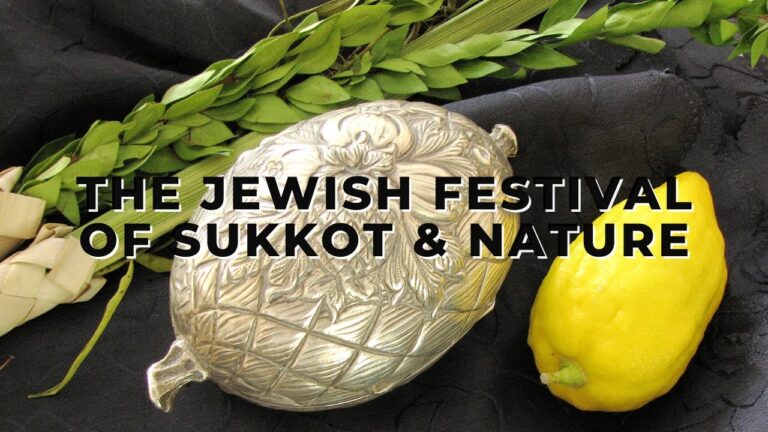
Using the lulav and etrog, two of Sukkot’s central ritual symbols, Rabbi Shimberg explains how Jewish practices encourage mindfulness, appreciation for creation, and responsible stewardship of the Earth. Her reflections highlight the enduring connection between Judaism, ecology, and environmental ethics, offering practical inspiration for living more sustainably.
Rabbi Shimberg serves as the grassroots organizer and spiritual leader of Little Minyan Kehilah, an eco-conscious Jewish Reconstructionist and Renewal community in central Ohio dedicated to integrating environmental values into Jewish life and practice.
This presentation was delivered at the Midwest Symposium on Ecologically Informed Theological Education: Implications for Teaching, Learning and Seminary Life, where faith leaders and educators gathered to explore how ecological awareness can be integrated into theological education and religious leadership.
The symposium was part of the Seminary Environmental Leadership Initiative, funded through the Luce Fund for Theological Education, an initiative of the Henry Luce Foundation’s Theology Program, with additional support from the Julia Burke Foundation.
If you are interested in learning more about links between Judaism and protection our Earth and its environment, check out our video on the roots of Jewish ecology!
Share this post: