Why Indigenous Forest Guardianship is Crucial to Climate Action | Nonette Royo
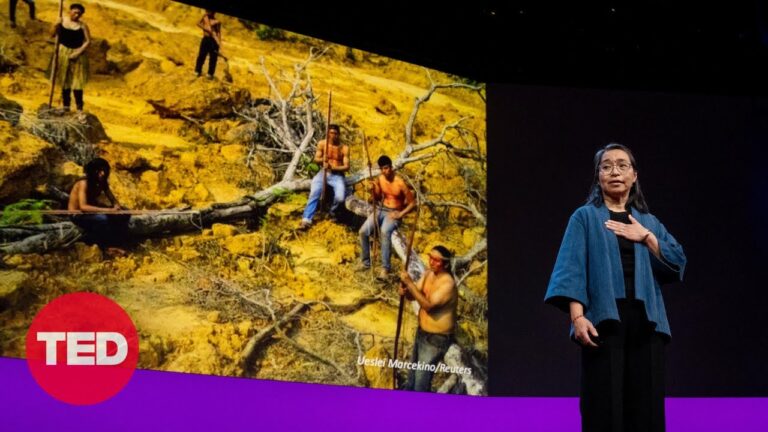
Indigenous communities have protected and cared for their ancestral forests for thousands of years, developing deep ecological knowledge and sustainable practices that continue to safeguard some of the world’s most important ecosystems. Today, Indigenous peoples manage lands containing approximately 80 percent of the planet’s biodiversity, yet many still face threats from illegal logging, mining, land exploitation, and weak legal protections.
In this inspiring talk, human rights lawyer Nonette Royo explains why securing Indigenous land rights is essential for protecting forests, biodiversity, and the future of the planet. She shares the work of the Tenure Facility, an organization dedicated to helping Indigenous communities defend their territories through legal support, advocacy, and land rights recognition.
The presentation explores the connection between Indigenous stewardship and environmental sustainability, highlighting how Indigenous knowledge systems have preserved forests for generations despite increasing external pressures. Royo also discusses the urgent need for governments, institutions, and global society to recognize Indigenous rights as a critical part of addressing climate change and ecological destruction.
By supporting Indigenous-led conservation and strengthening legal protections for ancestral lands, initiatives like the Tenure Facility aim to help communities secure millions of hectares of forests while preserving cultural heritage, biodiversity, and sustainable ways of life for future generations.
Share this post: