Environmental Justice, Passover, and the Pharaoh
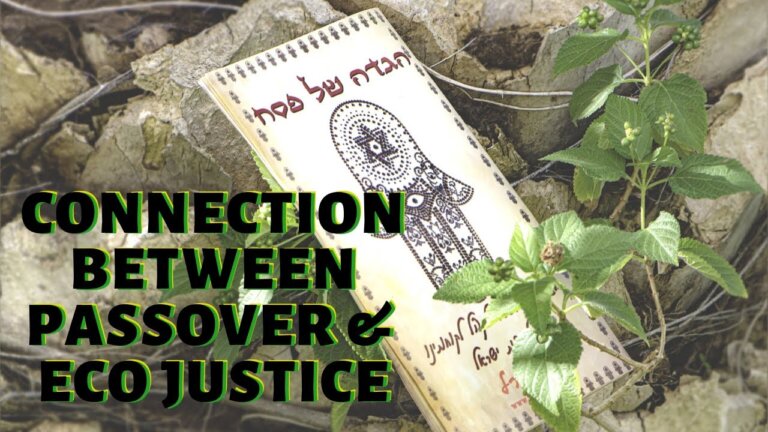
What can the Passover story teach us about today’s environmental and social challenges? In this thought-provoking presentation, Rabbi Fred Scherlinder Dobb explores the connection between the Ten Plagues, environmental justice, racism, and our shared responsibility to care for both people and the planet.
Drawing on Jewish tradition, Rabbi Dobb reflects on how the themes of Passover remain deeply relevant in the modern world. He examines how environmental degradation, inequality, and social injustice are interconnected, and how faith communities can respond with compassion, responsibility, and action.
Rabbi Dobb serves as the spiritual leader of Adat Shalom Reconstructionist Congregation in Bethesda, Maryland, and is the former Chair of Greater Washington Interfaith Power & Light, where he has long advocated for climate action and environmental stewardship rooted in Jewish values.
This presentation was recorded at the Symposium on Ecologically Informed Theological Education in Washington, D.C., held in March 2017. The symposium brought together more than 70 seminary presidents, deans, and faculty members to explore how faith, ecology, and sustainability can be integrated into theological education and the preparation of future religious leaders.
The event was co-organized by the Interfaith Center for Sustainable Development, the Washington Theological Consortium, the Green Seminary Initiative (GSI), and the Methodist Theological School in Ohio (MTSO), and hosted by The Catholic University of America’s School of Theology and Religious Studies as part of the Seminary Environmental Leadership Initiative.
If you are interested in learning more about the relationships between Jewish holidays and sustainability, check out our video on nature, sustainability, and Sukkot!
Share this post: