Daoism and Ecology
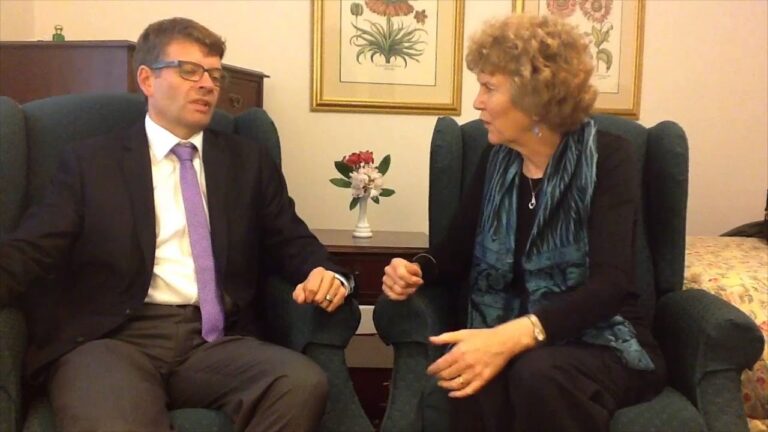
Professor James Miller (Queen’s University) explains Daoist cosmology and its relevance to ecological thinking. In Daoism, all reality is grounded in the Dao (the Way)—a single, underlying principle that gives rise to and sustains all life, from humans and animals to plants, stars, and the wider cosmos. Rather than viewing the world as separate things, Daoism sees it as a continuous, interrelated process.
The Dao is described through metaphors such as a mother giving birth to life or a hidden water source feeding flowing rivers, emphasizing its invisible but ever-present nature. Human beings are understood as expressions of this flow, and the aim of life is to live in alignment with it—becoming more fully “alive” by moving with rather than against nature.
A key ethical concept is wu-wei (non-assertive action), which means acting without ego-driven force. Instead of controlling or dominating, Daoist ethics encourages supporting the natural flourishing of all things, recognizing that each being has its own way of thriving.
Miller highlights how this worldview supports ecological thinking. The human body is seen as a microcosm of the cosmos, meaning there is no strict separation between humans and nature. This encourages care for the environment as part of caring for oneself. Historically, Daoist practice has been closely tied to natural landscapes such as mountains, where monasteries developed in harmony with their surroundings.
The interview also explores modern developments: Daoism in China was suppressed during the Cultural Revolution but has since been revived under state regulation, with temples and sacred sites being rebuilt. In Taiwan, Daoist traditions remain more openly practiced as living religious systems. Today, Daoism is being reinterpreted as a resource for environmental ethics, offering ideas of interdependence, balance, and non-interference that resonate strongly with contemporary ecological concerns.
Overall, Miller presents Daoism as a dynamic tradition that sees life as an interconnected flow, offering philosophical foundations for a more sustainable and relational approach to the environment.
Share this post: