What the Bible Can Teach Us About Environmentalism
If you were raised in a traditional Jewish household, this scene might feel familiar: it’s a weekday dinner, you’ve served yourself a little too generously, and your plate comes back half-finished. A parent looks at you and says, “Bal Tashchit!”
“Bal Tashchit,” one of the 613 commandments in the Hebrew Bible, means “do not destroy” or “do not waste.” Over time, it has become a key principle in Jewish thought around responsible consumption, resource use, and environmental care.
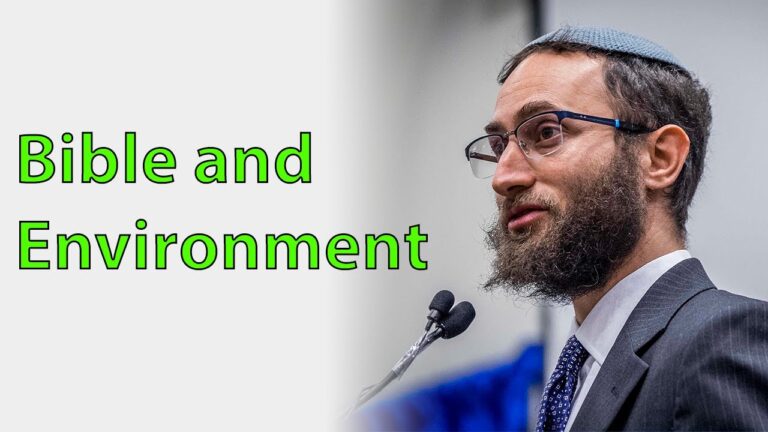
In this episode, we’re joined by Rabbi Yonatan Neril, co-author of Eco Bible, a work exploring what biblical texts and Jewish tradition say about ecology and care for creation. We discuss how ancient teachings intersect with modern environmental challenges like climate change, and what it means to live responsibly in a time of ecological strain.
Together, we explore how these ideas can inform everyday choices—and what it might look like for people of faith (and anyone interested in ethics and sustainability) to take better care of the planet.
Share this post: