David Loy What does the Ecological Crisis mean for Buddhism
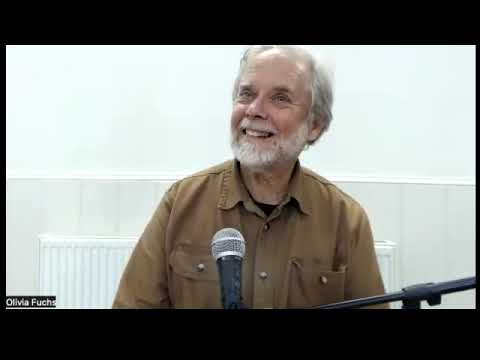
This talk introduces and explores how Buddhism can respond to the ecological crisis, using it as a lens to rethink core Buddhist ideas.
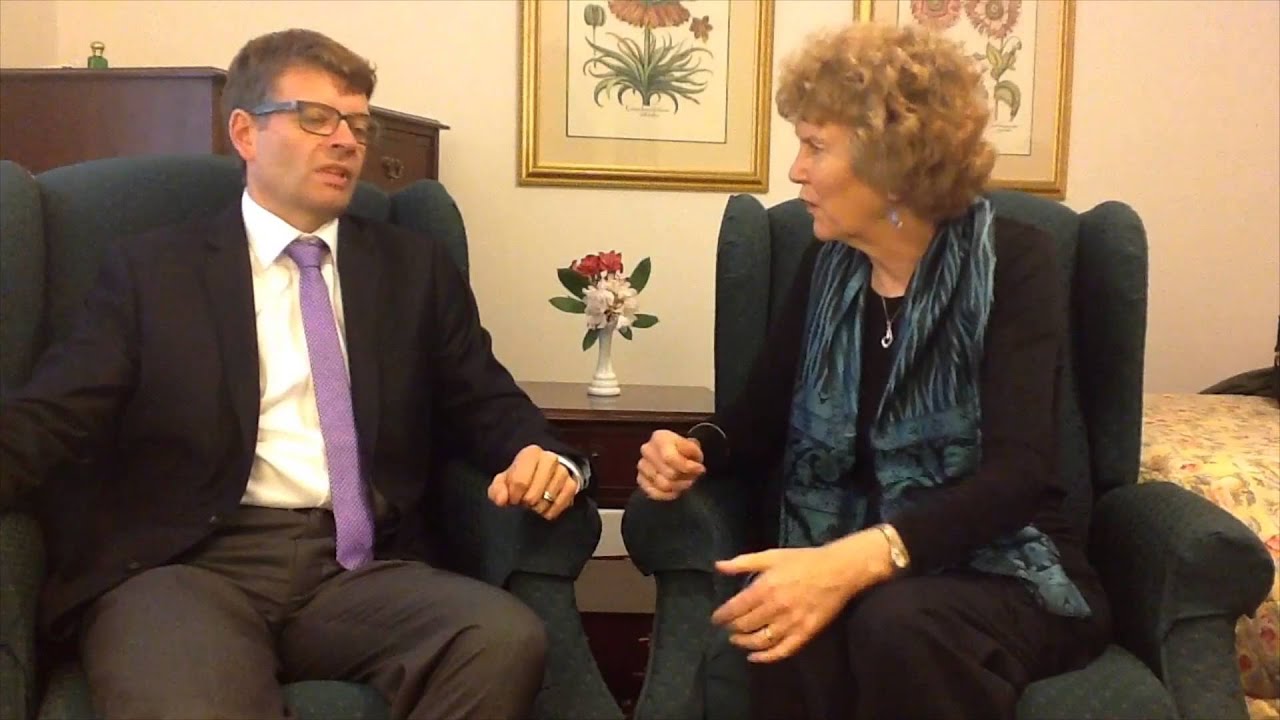
The event is opened by Jamie Cresswell, who frames the gathering as part of a wider collaboration between Buddhist and interfaith ecological networks. He highlights how climate breakdown and the COVID era have pushed religious communities to work more outwardly, focusing on social and ecological action. A key theme introduced is interconnectedness: the idea that humans are not separate from nature, but part of it, and therefore ecological harm is also self-harm.
The main speaker, David Loy, then argues that the ecological crisis forces a deep reconsideration of Buddhism itself. He suggests we are living in one of the most dangerous moments in human history, which requires spiritual traditions to clarify their purpose and relevance.
A central argument is that many religious traditions (including Buddhism) are often misunderstood when metaphors are taken literally. In Buddhism, ideas like rebirth and nirvana may be better understood as symbolic teachings about transforming perception in this life, rather than literal metaphysical outcomes. This leads to a focus on non-duality and “awakening” as a shift in how reality is experienced, not an escape from it.
Loy also critiques two common modern approaches:
- A transcendence model that seeks escape from the world (samsara)
- A mindfulness/self-help model that reduces problems to individual psychology
He argues both can unintentionally lead to disengagement from social and ecological responsibility.
Instead, he proposes that the self is a constructed, insecure sense of identity, and much human suffering comes from trying to “fill a lack” through money, fame, or romantic love. These “lack projects” never fully satisfy and keep people focused on the future rather than present reality.
In contrast, he highlights a more engaged Buddhist view: awakening involves realizing our deep interconnection with the world, which naturally supports ecological and social responsibility. He connects this with teachings from Thich Nhat Hanh, emphasizing that nirvana can be touched in ordinary life, here and now, through mindful awareness and non-separation.
Share this post: